Living Evolution - Trading Lawn for Ecosystem
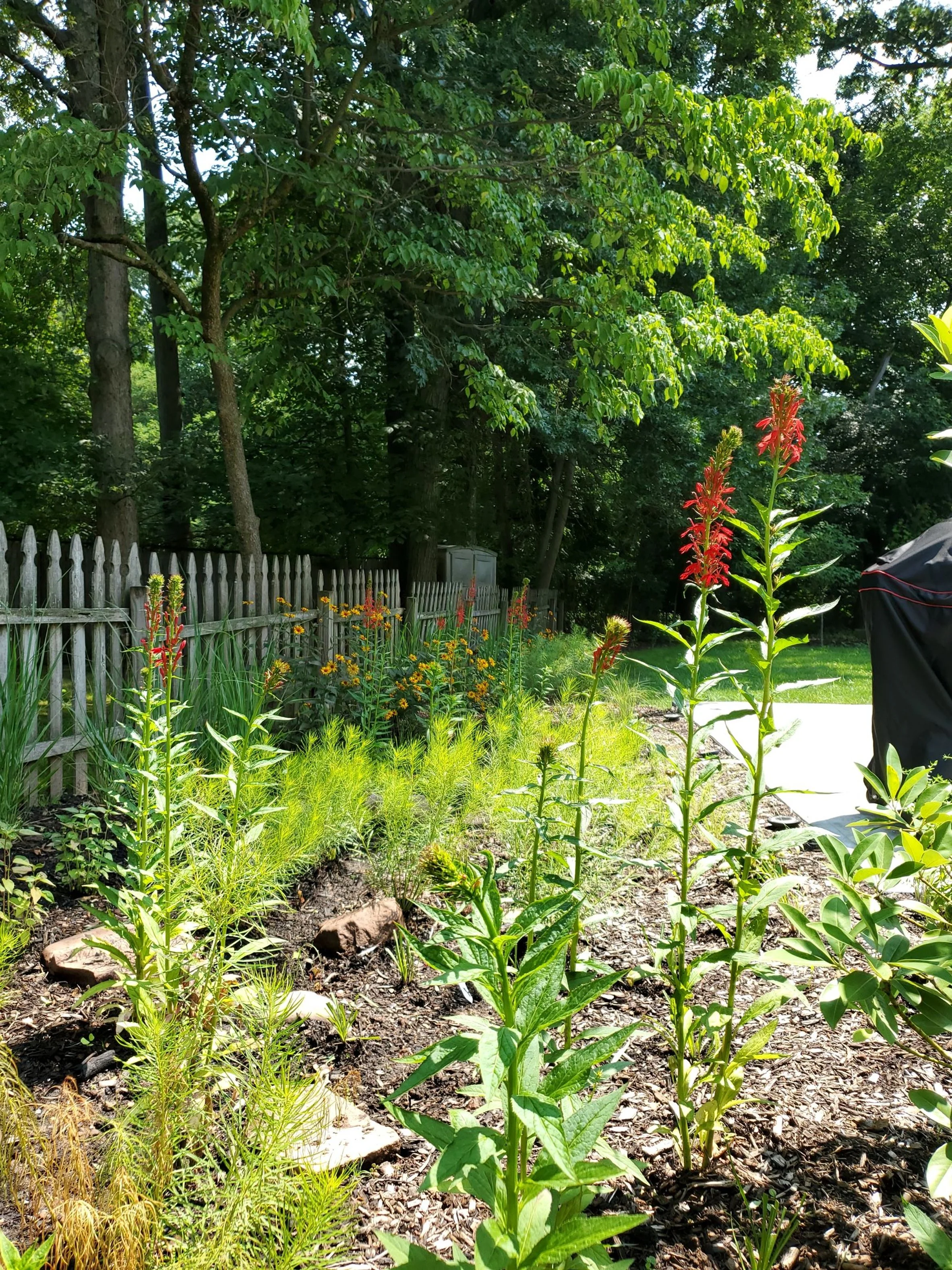
Perennial Border
Less lawn allows for a native meadow garden bio-swale to absorb water from a roof downspout while creating a beautiful property buffer.
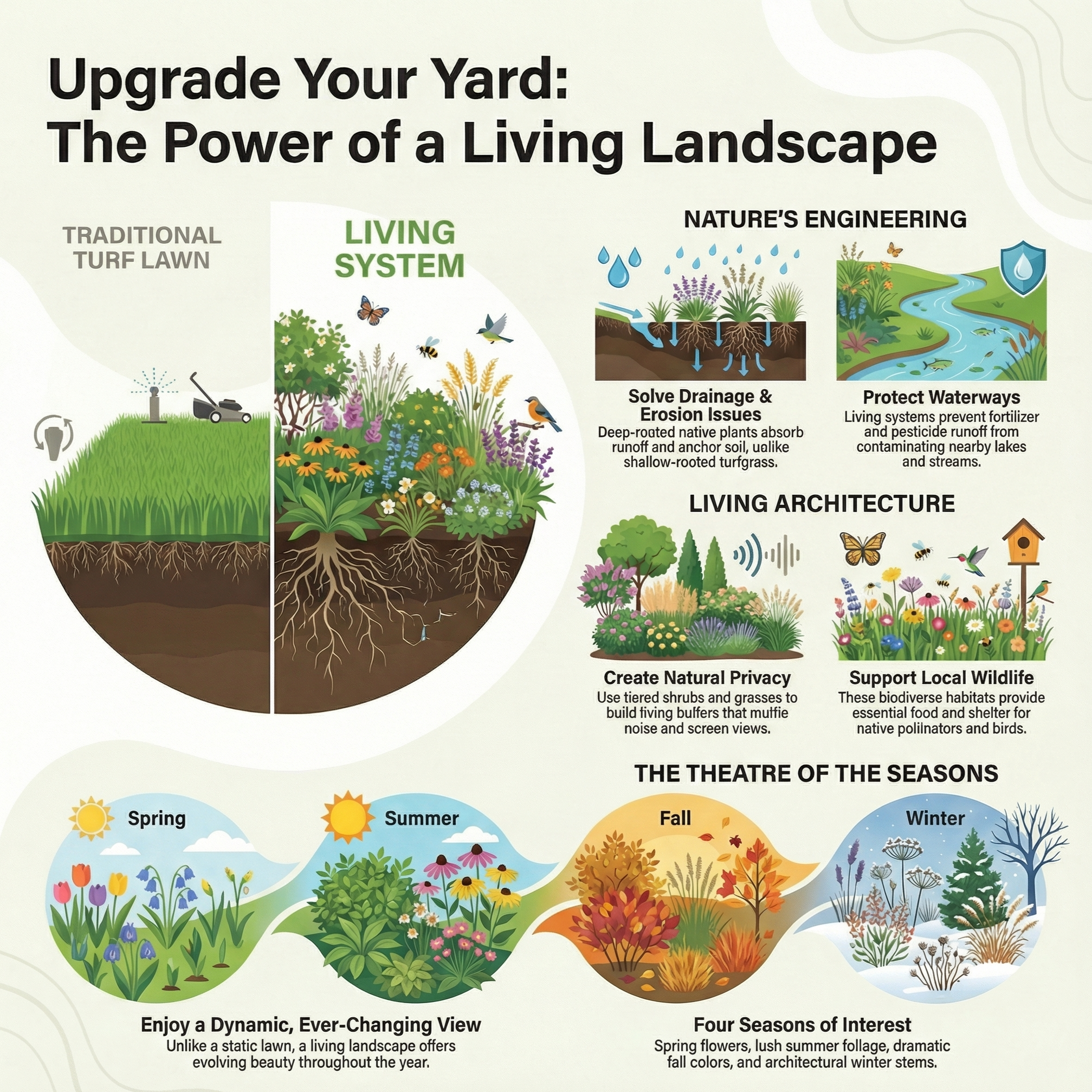
For decades, the "perfect lawn" has been the gold standard of curb appeal. But for many property owners, that flat green carpet is starting to feel like a burden. It’s a landscape on life support—requiring constant mowing, fertilizers, pesticides/herbicides and endless watering just to stay the same.
At Agrario Design, we believe your land should do more than just sit there. It should perform.
We’re helping homeowners transition from high-maintenance turf to Living Systems: landscapes that reduce your weekend workload while actively protecting and enhancing your property. Here is why "Lawn Reduction" is the best investment you can make for your home this season.
1. Nature’s Engineering: Solving Drainage and Erosion
In our region, heavy spring melts and summer downpours can turn a standard lawn into a muddy mess. Turfgrass has roots only a few inches deep, offering almost no protection against runoff. Additionally, with many properties in the Adirondacks, Capital Region, and Hudson Valley along lakes, streams, rivers, wetlands, and naturalized drainage areas, runoff from lawns can carry those fertilizers and pesticides into these areas causing water contamination.
Ecological designs utilize native plants with deep root systems—some reaching 5 or more feet into the earth. These roots act as biological sponges, capturing and diverting runoff before it reaches your foundation and anchoring your soil to prevent erosion on slopes. Denser foliage of meadows, shrub and tree plantings, and more organic soils aid in preventing eroding soil and contaminants from leaving the landscape into waterways.
2. Architectural Privacy and Living Buffers
Traditional fences create boundaries, but they also create "boxes." By reducing lawn area and introducing tiered native plantings, we create living borders.
Using a mix of structural shrubs and tall ornamental grasses, we can build a private sanctuary that muffles neighborhood noise and blocks prying eyes—all while maintaining a soft, natural aesthetic that a wooden fence simply can't match. These plantings can be interspersed with perennial flowers to provide beauty and interest beyond the functional performance.
Living buffers can provide the perfect pollinator and native bird habitats as they are rich in biodiversity that support native species.
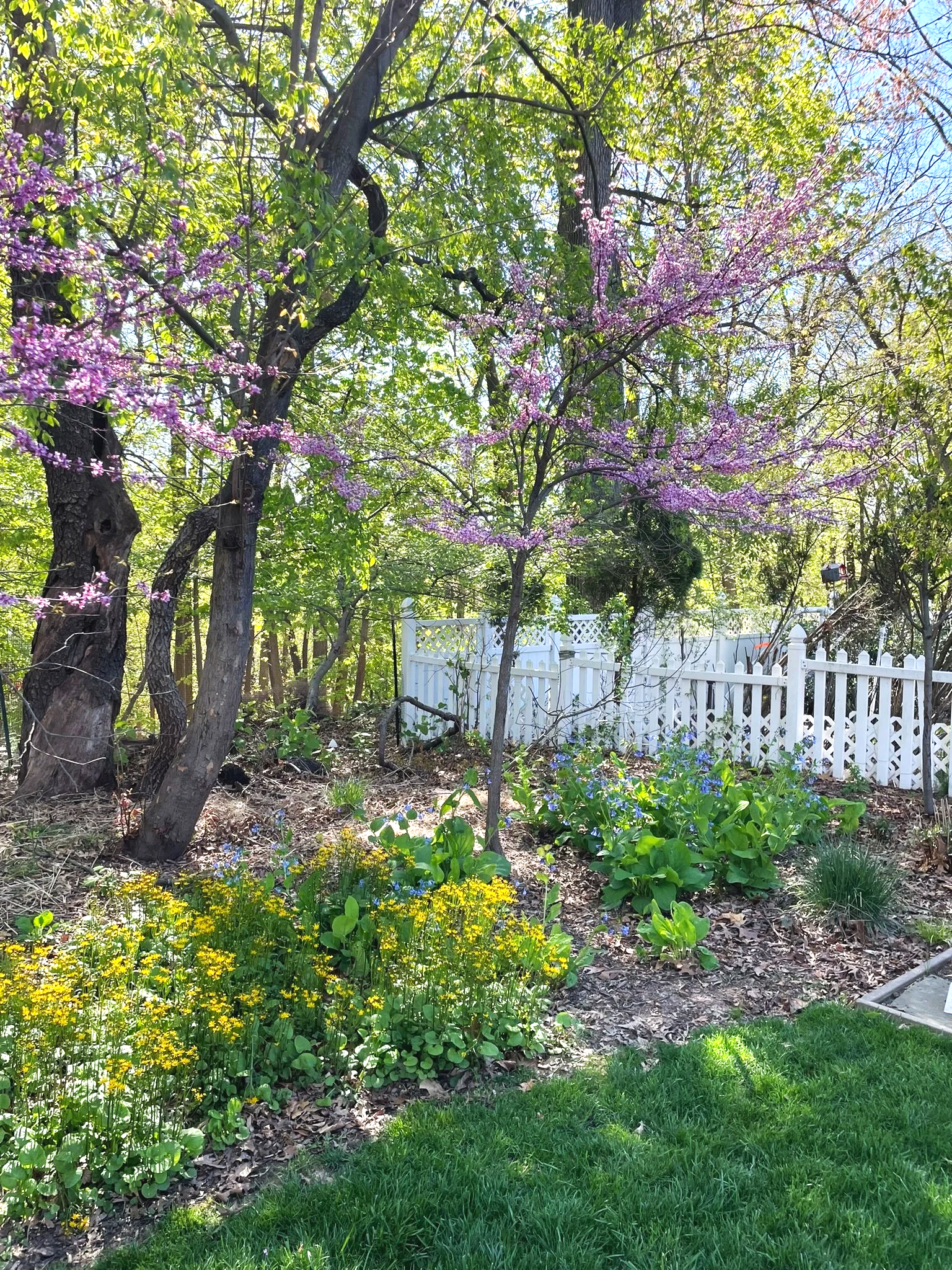
Spring Emergence
3. The Theatre of the Seasons
A lawn looks the same in June as it does in August (unless it’s turned brown). A Living System, however, is dynamic.
Spring: Watch the emergence of early flowers, foliage, birds, and pollinators.
Summer: Enjoy the lush, cooling effect of native meadows and the symphony of perennial flowers and pollinators.
Fall: Witness a dramatic shift in color and texture.
Winter: See the "architectural bones" of your garden through frost-covered seed heads and stems, tall golden grasses, and glowing twigs and berries on some native species.
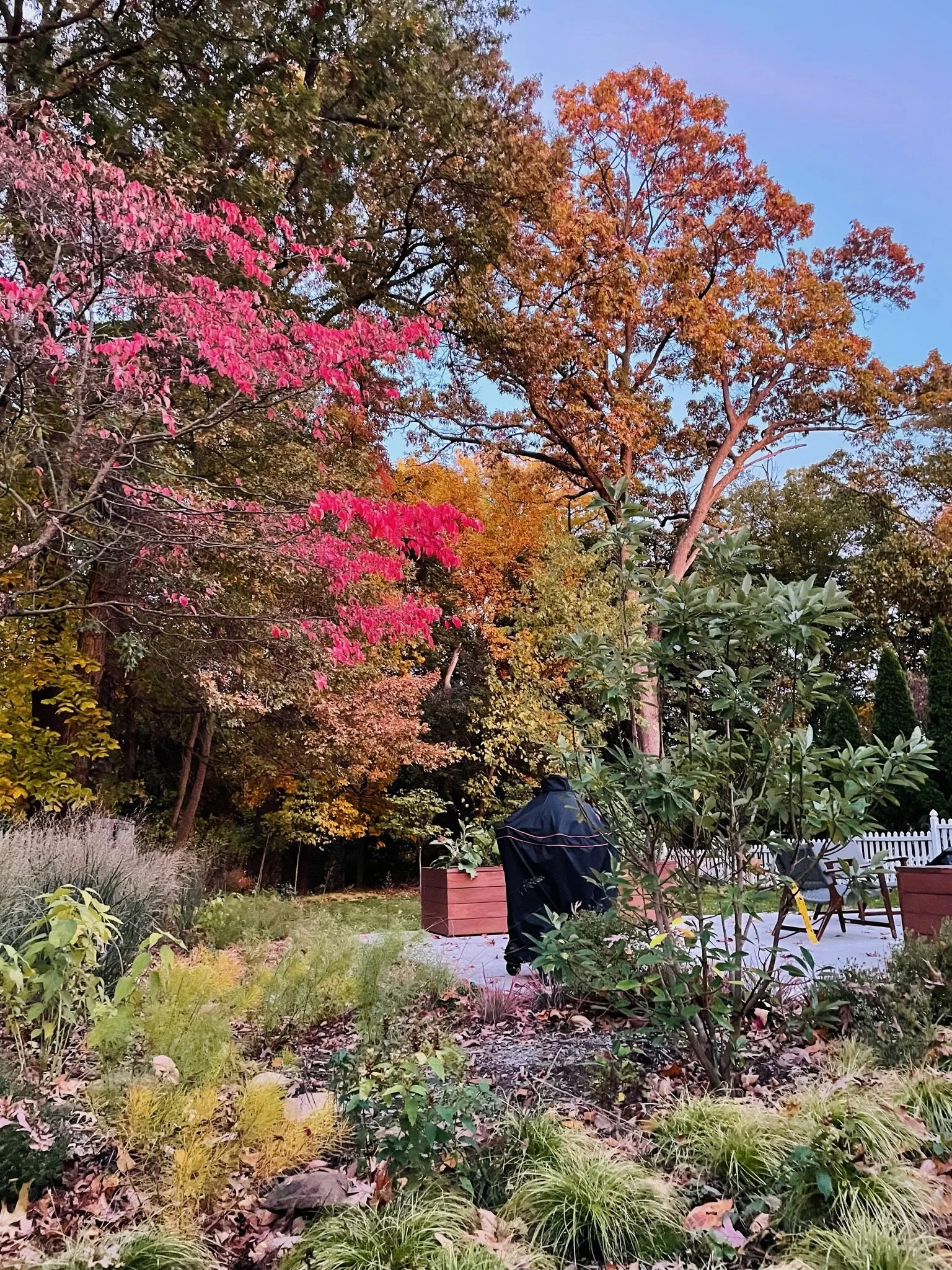
Fall Transition
This evolution grounds you and your family in the rhythm of nature, providing a constant source of excitement and discovery right outside your window. Not only will natural landscapes provide seasonal dynamics, the whole landscape will evolve over time as species intermingle and ‘sort themselves out’. Landscape stewardship helps this process along and helps maintain it to continue to provide the desired interest of the homeowner.